

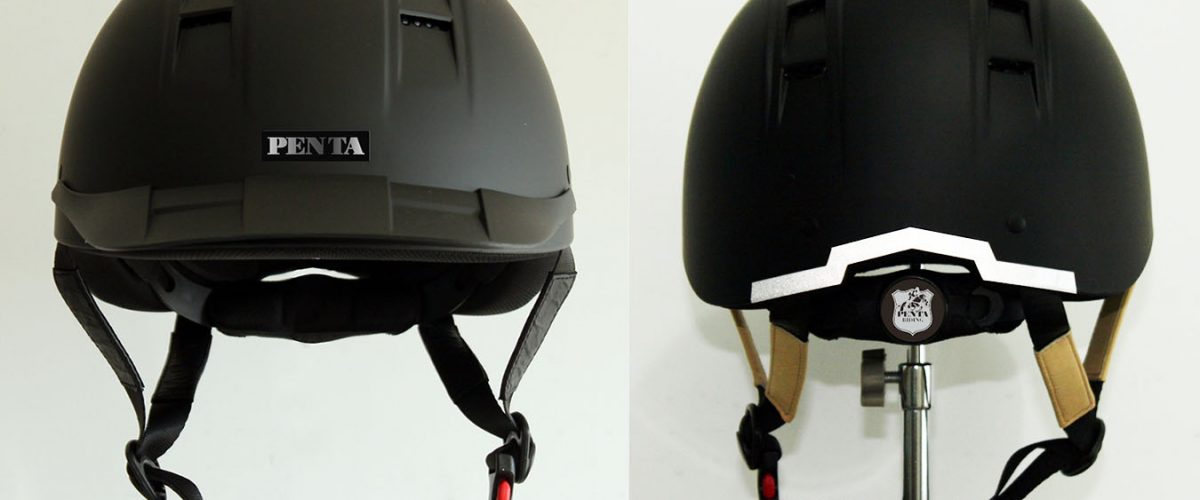
Two important articles have recently been published in Canada and USA, on helmet use and helmet safety.
- The Horse Canada, please click here: https://horse-canada.com/magazine/rider-health/horses-not-bicycles-wear-right-helmet/
- The Horse (USA), please click here: https://thehorse.com/1104276/survey-helmet-use-common-but-helmet-care-often-subpar/
Both deal with helmet use and helmet safety. Here are excerpts:
Most horseback riders wear helmets when they ride. But many who don’t say it’s because helmets don’t fit well or are unnecessary. As for the riders who do, the helmets they use might not be offering their full protective value, a new study has shown.
“Most people don’t know that equestrians are more likely than combat veterans to have a traumatic brain injury,” said Ansley Grimes Stanfill, PhD, RN, associate professor and associate dean of research in the College of Nursing at the University of Tennessee Health Science Center in Memphis.
“Helmets are really the most important piece of equipment a rider can have,” she continued. “We (medical professionals) can pin your bones back together, and we can sew up your lacerations. But your brain is hard to fix, so you really need to be sure you’re protecting it correctly.”
Keeping Equestrians’ Brains Protected – A Checklist
-
- Ensure you are wearing a helmet designed specifically for equestrian use and meets one of the four equestrian safety standards; ASTM, PAS015, Snell or VG1. If you live in North America, your riding helmet must meet the ASTM or Snell safety standard. If importing a helmet from Europe or the United Kingdom, their safety standards may not be recognized in North America.
- Understand that some equestrian helmets may be discipline specific, e.g. jockey skull helmet designed for eventing.
- Ensure your helmet is professionally fitted. Most tack stores have a professionally trained fitter on staff. A well-fitting helmet should have a snug fit, with even, firm pressure around the entire head. The helmet should sit level on the head, covering the forehead leaving about an inch above the eyebrows.
- With the harness unfastened, the helmet should not rock forwards or backwards. Once fastened, the chinstrap should sit just under the chin and gently touch the bottom of the ear lobe, avoiding the throat. You should be able to put a finger between the strap and your chin. Any more than one finger width means the helmet will not be able to do its job if an accident occurs.
- Putting your hair up under your helmet affects the fit. Ideally, an equestrian helmet is designed to protect and fit properly with hair hanging down and secured in a low ponytail. If you have long hair and ride with it up only occasionally, i.e. at horse shows, you might need a second helmet. Otherwise, your helmet will be too big for your head when your hair is down. When you do put your hair up, make sure that the hair tie is low on your head and not inside the helmet to avoid any pressure points.
- Don’t be tempted to buy your child a helmet that is a size too big so that it lasts longer and they will ‘grow into it’. As with adults, a child’s equestrian helmet must fit snugly on their head for every ride, otherwise it is simply not safe.
- Replace a helmet after any impact. Every impact, no matter how small, causes the microbubbles in the expanded polystyrene (EPS) layer of the helmet to burst. This is what protects your head the most in the event of a fall. In some cases, the damage may be invisible to the naked eye. Check directly with the helmet manufacturer, as they usually have a discounted helmet replacement policy.
- Replace your equestrian helmets every five years. Even if you haven’t had a fall in a helmet, its protective properties degrade over time. After five years of life, an equestrian helmet is no longer deemed safe and should be replaced.
- Store your helmet properly. When you’re not riding, keep your helmet safe by storing it in a cool, dry place. If it’s wet after a ride, leave it out to dry fully before putting it away to avoid mold and rust. Never leave a riding helmet in a hot car or in direct sunlight. Extreme heat risks melting the high-grade polystyrene layer inside the helmet. Likewise, temperatures below -20 C (-68 F) will cause damage.
- Ensure that you always wear your helmet any time you are working around horses, and not only when mounted. Remember, you only have one brain!
Related Articles on PBITG.com:
Nala Designs Polo Helmets
The Face-off on Faceguards
Sublime Helmets
Tack Check
Recent Links:
Coming Through Slaughter
Forgiveness
PBITG Video Channel
Pete’s YouTube Videos
Vlogging PBITG
Vale: Pak Munandar
The Second Coming
AAP Expands Handicap Range
The Charge of the Light Brigade
The Cost of Horses
Rage Against the Dying of the Light
HPA’s David Woodd to Retire
Fully Vaccinated
Champion Thoroughbred Sire Galileo Euthanised
Waking The Tiger
92 and Going Strong
The 2011 FIP Polo World Cup
Rolling With The Changes
Caroline Chew is Singapore’s First Olympic Equestrienne
Mark Wightman: Waking the Tiger
ZT Technical Jeans MCO 3.0 Promotion
Farewell Felipe
Parker’s Piece
Vaccinated
Amr Zedan’s Medina Spirit
Etiquette for Riders
Hong Kong joins 2021 Polo Rider Cup
Supporting Yayasan Chow Kit
African Horse Sickness Update
FEI Guidelines for Extreme Heat
FEI Videos on Heat & Humidity
Vale: HRH Prince Philip
Vale: Marcos Uranga
A Decade of Development
Equi-Gold Turmeric for Horses
RSPC Magazine Edition 3
Tokyo 2020 Olympic Links:
Para-Dressage Stars Converge on Tokyo Paralympic Games
Swedish Gold in Tokyo Olympics Showjumping
Swedes Lead Qualification to Tokyo Team Jumping Final
Ben Maher Wins Tokyo Olympics Individual Jumping Gold
Individual Showjumping Gets Underway in Tokyo Olympics
History Made at Tokyo Olympic Eventing
Oliver Townend leads Tokyo Olympic Eventing after Cross-Country
Showjumping at the Tokyo Olympics
Tokyo’s Olympic Cross-Country
A Lusitano Honor Guard
Germany Wins Olympic Dressage Team Gold
FEI Results Page Tokyo 2020
Heat and Humidity at the Tokyo Olympics


